
Research
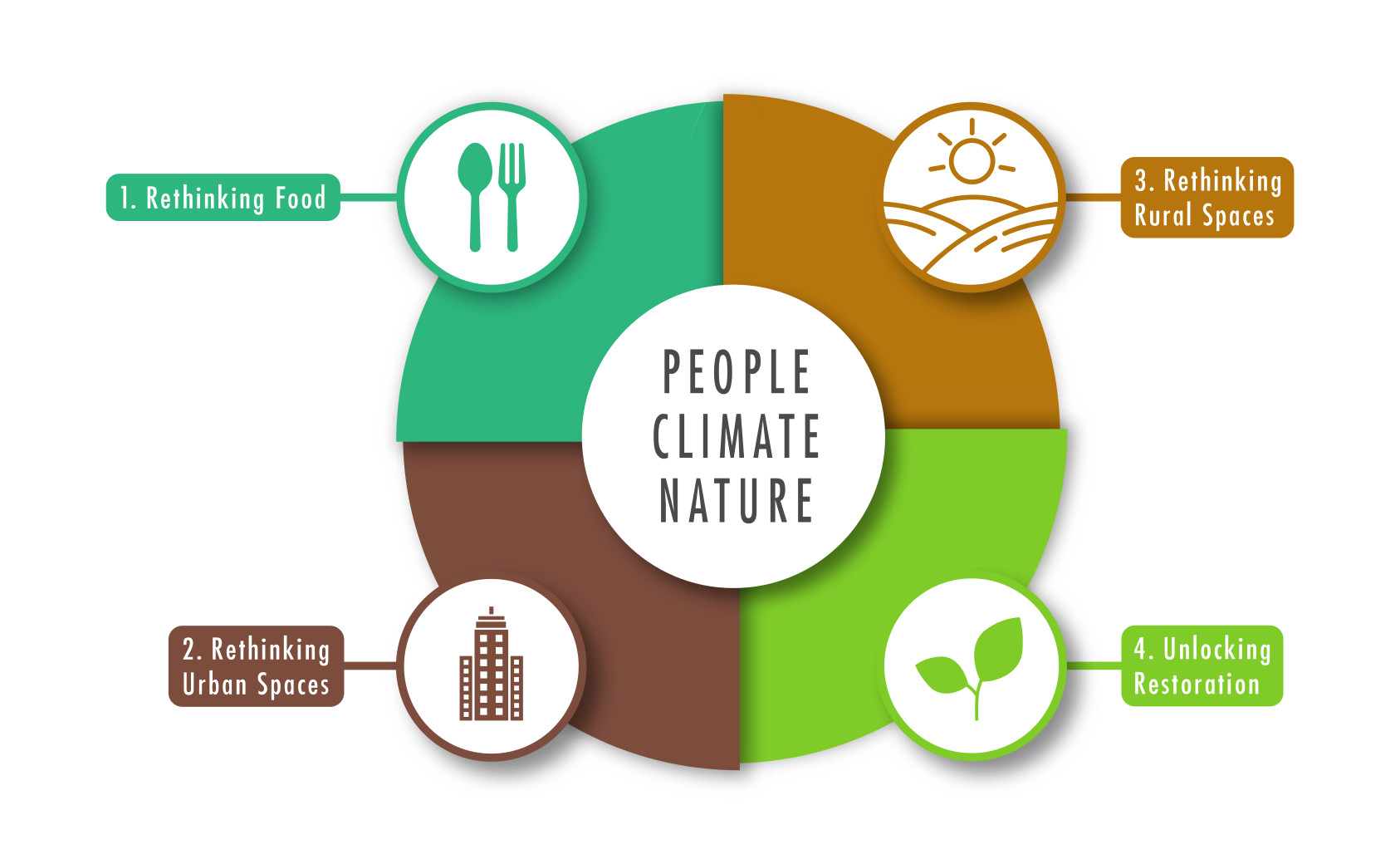
To understand the many processes that operate across natural, socio-economic and technical systems, and the interactions and feedbacks between them, different disciplines and skills need to establish a close working relationship, ranging from, for example, land-use change and ecological modelling, (intertemporal) economic optimisation and life cycle assessments to ethics, governance and spatial planning.
We aspire to develop an interdisciplinary research and training programme that will provide the necessary scientific understanding to quantify, based on sound theoretical underpinnings, how land use can contribute to climate change mitigation and biodiversity conservation whilst avoiding detrimental societal impacts, i.e., by maintaining supplies of food, energy, materials, and multiple other ecosystem services.
The complexity of the nexus requires multidisciplinary and multi-method knowledge development to gain insight into sustainable solutions. To ensure that within this complexity individual doctoral studies address tractable questions, and have clearly defined objectives— while maintaining a broad perspective on the overarching environmental challenges—the research programme will be structured around four research clusters:
Cluster C1 (Rethinking Food) will explore how transformative changes in the food system could ‘free-up’ land for other uses and reduce greenhouse-gas emissions through new food production technologies, changing locations of food production (e.g., in urban areas), improved food distribution technologies, and shifts in consumer behaviour and demands (e.g., diets, attitudes to novel products).
Clusters C2 and C3 (Rethinking urban and rural spaces) will explore innovative uses of space with a focus on multi-functional uses within cityscapes (C2) and rural landscapes (C3).
Cluster C4 (Unlocking restoration) will explore how ecosystem restoration could best be used to achieve multiple benefits for biodiversity conservation and climate change, while avoiding negative societal impacts. C4 complements the issues explored in C1-C3, since the benefits of restoration depend critically on whether land competition can be reduced sufficiently to make room for restoration.
The research in the Cluster Rethinking Food is predicated on the notion that a combination of novel supply- and demand-side measures in the food system are needed to achieve co-benefits for the environment and society across the nexus. PhD-theses will be guided by the following overarching questions:
- Where and how can novel methods of food production provide social, economic and environmental co-benefits including reducing the land footprint?
- Where and how can changes in food consumption choices free-up land for other uses and what are the barriers to, and enablers of, dietary change?
- Which interventions support the transition of the food system towards a sustainable future also taking account of the potential risks arising from socio-economic and climatic ‘shocks’?
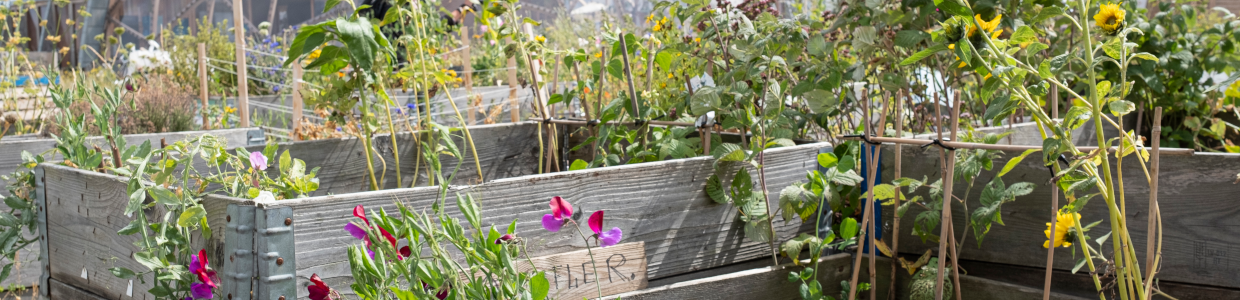
The research in Cluster Rethinking urban spaces is grounded on the idea that a combination of novel integrated transformation measures in the urban “landscape”
towards multi-functional urban land use can have co-benefits for the environment and society across the nexus. PhD theses will be guided by the following overarching questions:
- What socio-economic, political and environmental forces shape competition for urban land uses, and how can they be characterized across different city contexts?
- What are the multi-functional land use configurations for different urban areas that maximize environmental, social and economic benefits while minimizing conflicts?
- How can urban transformation pathways be designed and governed to equitably distribute benefits and burdens across different stakeholders and communities?
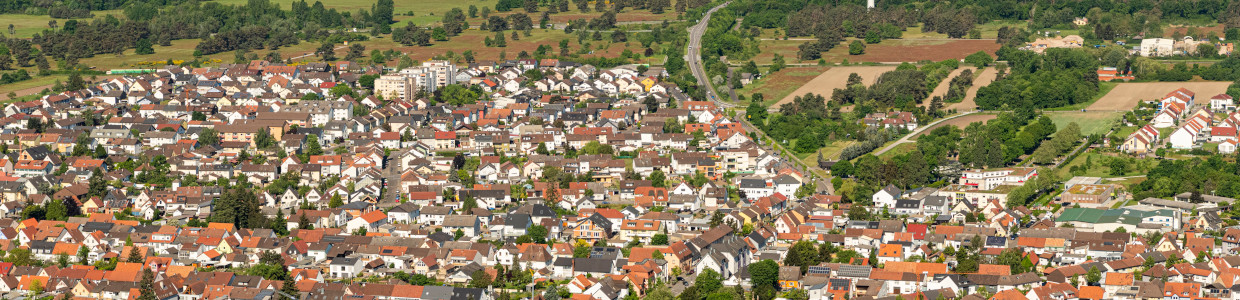
In the context of finding solutions that equally address the environmental and societal sustainability dimensions of single- vs. multiple land-uses as a key nexus challenge, the Cluster Rethinking rural spaces focuses on the following research questions:
- What socio-economic, natural, political, or institutional factors influence the development and forms of single- and multi-functional land uses at local, national, and international levels
- What are the effects of multi-functional land uses and how are benefits and resources shared?
- How do land ownership and policies on climate change and nature conservation influence the development and impact of these uses, both now and in future?
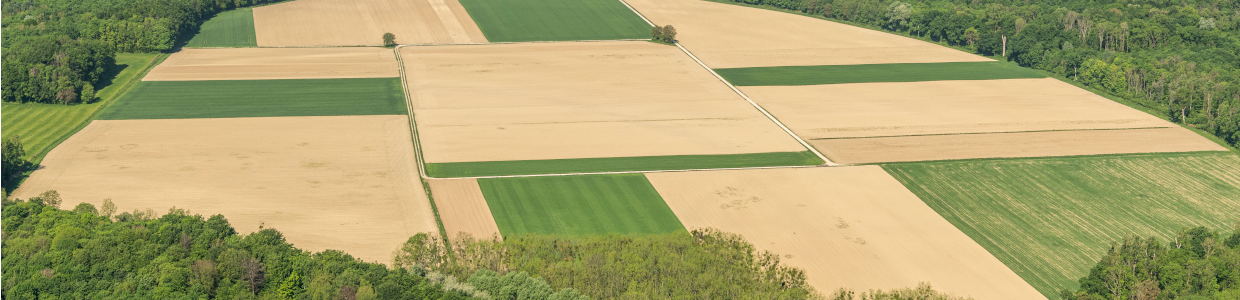
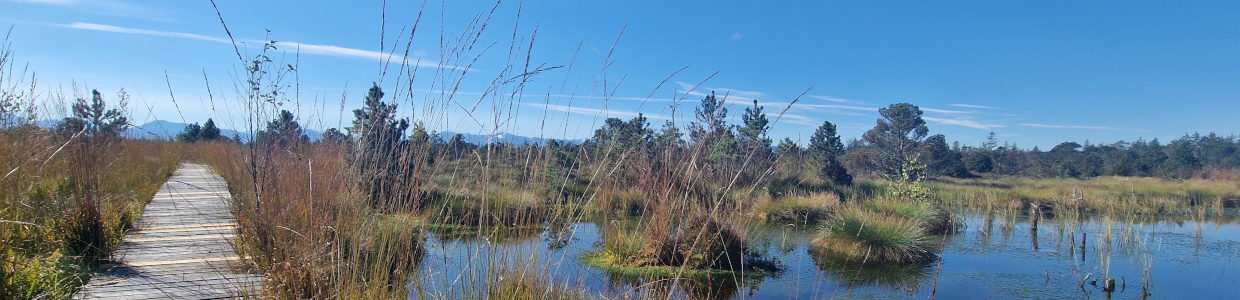
Ecosystem restoration is central to halting and reversing biodiversity loss, with climate change co-benefits. In view of the manifold benefits, while acknowledging the risks and trade-offs,
it is critical to find ways to upscale restoration so that both biodiversity and people benefit. The research in Unlocking restoration thus will explore
- Where is space for restoration and which protection and restoration measures lead to climate and biodiversity co-benefits?
- What are the social and economic implications of restoration?
- Which management measures increase the resilience of restored ecosystems in a changing climate?



Last update: 2026-04